Video&A: The Future of Interactive Video Communication, Q&A Content, and Digital Engagement

Introduction
In today’s fast-evolving digital landscape, content consumption is shifting rapidly from static text and images to highly interactive and immersive formats. One of the emerging concepts gaining attention in blogging, marketing, and SEO communities is “video&a”, a flexible term generally used to describe the combination of video-based content with interactive questioning, answering, analytics, or audio integration. Whether interpreted as Video Q&A, Video + Analytics, or Video + AI-driven interaction, “video&a” represents a broader shift toward engagement-focused multimedia communication. This evolution is reshaping how creators, brands, and educators deliver information online.
Quick Bio Table: Video&A Overview
| Feature | Description |
|---|---|
| Name | Video&A |
| Type | Digital Content Format / Multimedia Concept |
| Category | Video Marketing, SEO Content, Interactive Media |
| Core Idea | Combination of video with Q&A, analytics, audio, or AI interaction |
| Primary Use | Education, Marketing, Customer Engagement, Content Creation |
| Platforms | YouTube, Social Media, Websites, Learning Platforms |
| SEO Value | High engagement, improved dwell time, better user interaction |
| Related Terms | Video Q&A, Interactive Video, Video Analytics, AI Video Tools |
| Trend Status | Emerging Digital Content Strategy |
What is Video&A?
The term video&a does not represent a single fixed technology or company. Instead, it is a hybrid digital concept used across blogs and content platforms to describe the merging of video with interactive or analytical elements.
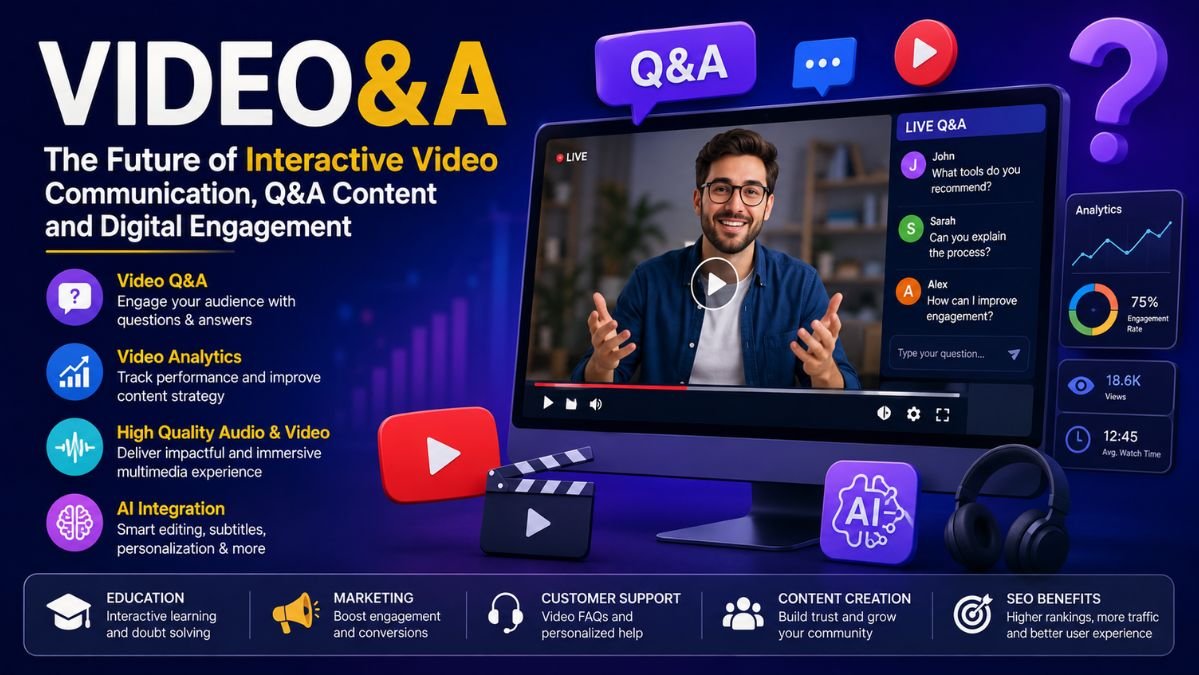
Most commonly, video&refers to:
- Video + Q&A (Question & Answer) formats
- Video + Analytics tracking systems
- Video + Audio enhancement content
- Video + Artificial Intelligence interaction systems
This flexibility is what makes the keyword powerful in SEO. It can be adapted across industries such as education, marketing, entertainment, and software development.
Evolution of Vide&A in Digital Media
Over the past decade, online content has shifted dramatically:
- Text blogs dominated early SEO
- Images became essential for engagement
- Video content took over platforms like YouTube and TikTok
- Now, interactive video systems like video&a are emerging
The rise of attention-based algorithms has made engagement metrics more important than ever. Users no longer want passive viewing—they prefer interactive experiences where they can ask questions, receive answers, or influence the content in real time.
Types of Vieo&A Formats
1. Video Q&A Format
This is the most widely used interpretation of video&a.
- Users submit questions
- Creator answers through video
- Often used in tutorials, interviews, and education
Example use:
- “Ask me anything” videos
- Product FAQs in video format
2. Video + Analytics
In marketing and business environments, vido&a refers to combining video with performance tracking tools.
Key features include:
- Watch time tracking
- Audience engagement analysis
- Click-through behavior
- Conversion tracking
This helps businesses improve content strategy and ROI.
3. Video + Audio Enhancement
Some platforms use video&a to describe enhanced multimedia experiences where:
- Video is combined with high-quality audio narration
- Podcasts are converted into video formats
- Sound design improves storytelling impact
4. Video + AI Integration
One of the most modern interpretations of video&a includes AI-powered systems.
Features include:
- Automated video editing
- AI-generated subtitles
- Personalized video responses
- Smart recommendation systems
This category is expected to grow rapidly in the coming years.
Benefits of Video&A Content
1. Higher Engagement Rates
Interactive video formats hold user attention longer than static content.
2. Better Learning Experience
Educational content becomes easier to understand through visual explanations and Q&A formats.
3. Improved SEO Performance
Search engines reward content that increases:
- Time on page
- User interaction
- Lower bounce rates
4. Stronger Brand Communication
Businesses can communicate directly with users in a more human and engaging way.
5. Data-Driven Insights
Analytics-based video& systems help creators understand audience behavior.
Use Cases of Video&A
Education Sector
- Online learning platforms
- Video lectures with Q&A sections
- Student-teacher interaction systems
Digital Marketing
- Product demonstrations
- Customer onboarding videos
- Interactive ad campaigns
Customer Support
- Video FAQ systems
- Troubleshooting guides
- AI-powered response videos
Content Creation
- YouTube creators answering audience questions
- Live streaming Q&A sessions
- Community-driven video topics
Video&A in SEO and Digital Strategy
From an SEO perspective, video&a is extremely valuable because search engines prioritize user experience signals.
Key SEO advantages include:
- Increased dwell time
- Reduced bounce rate
- Higher click engagement
- Better content sharing rates
Additionally, video content is more likely to appear in Google video search results, improving visibility.
To optimize video&a content for SEO, creators should:
- Use keyword-rich titles
- Add transcripts and captions
- Include structured Q&A sections
- Optimize thumbnails and descriptions
Challenges of Video&A Implementation
Despite its benefits, vide&a also comes with challenges:
1. High Production Cost
Creating quality video content requires time, tools, and resources.
2. Technical Complexity
Integrating analytics or AI systems requires technical expertise.
3. Content Scalability
Producing consistent interactive content can be difficult at scale.
4. Platform Limitations
Not all platforms fully support interactive video features.
Future of Video&A
The future of video&a looks highly promising as technology continues to evolve. With advancements in AI, machine learning, and real-time interaction systems, video content will become more personalized and dynamic.
In the coming years, we can expect:
- Fully interactive video search systems
- AI-generated video responses to user queries
- Real-time audience-controlled video experiences
- Deep integration with virtual and augmented reality
This evolution will transform video&a from a niche concept into a mainstream digital communication standard.
Conclusion
Video&a represents a powerful shift in how digital content is created and consumed. By combining video with Q&A, analytics, audio enhancement, and AI-driven interaction, it creates a more engaging and intelligent content ecosystem. As digital platforms continue to prioritize user experience and engagement, video&a is likely to become an essential part of modern content strategy.
In summary, video&a is not just a trend—it is a reflection of the future of interactive media, where content is no longer passive but dynamic, responsive, and deeply personalized.