Introduction
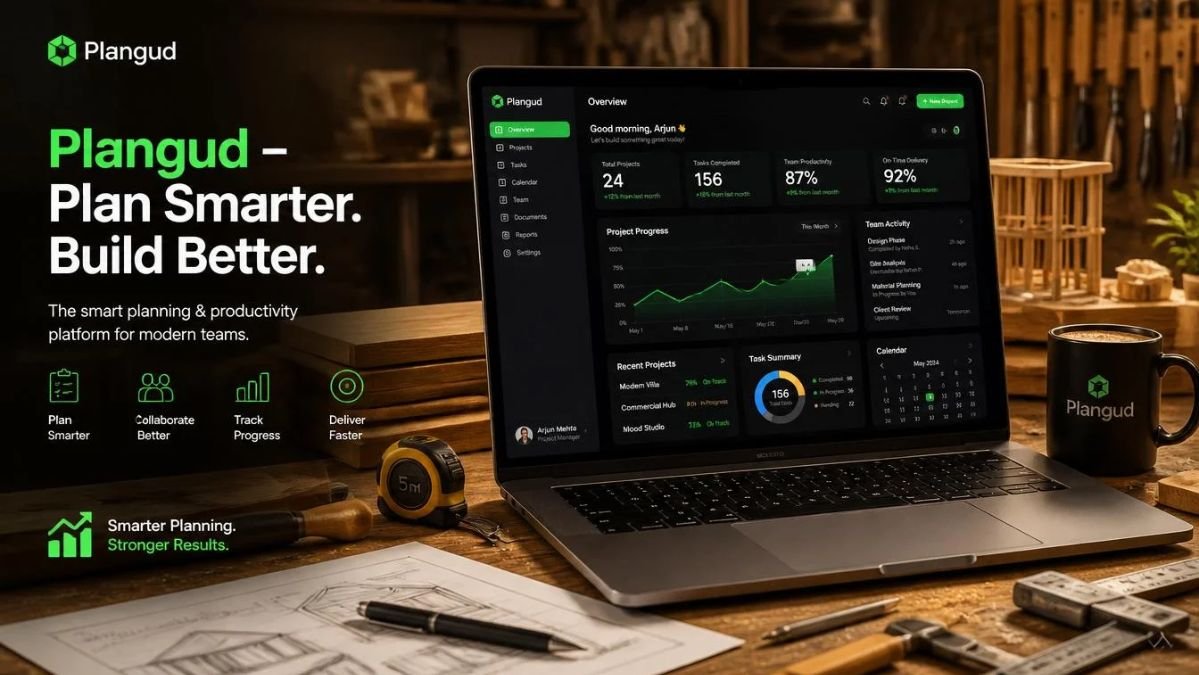
Plangud is an emerging multi-context keyword that has gained attention across productivity, planning systems, digital workflow tools, and even construction-related discussions. Depending on the context, it can refer to a structured planning method, a conceptual productivity framework, or in some cases, engineered wooden planks used in interior design and construction. Because of its flexible meaning, ” is often described as a hybrid term that connects organization, structure, and practical execution in both digital and physical industries.
In today’s fast-paced world, where efficiency and organization are essential, plangud is becoming a symbolic representation of structured planning and smart workflow design.
Quick Info Table (Plangud Overview)
| Feature | Details |
|---|---|
| Name | Plangud |
| Type | Multi-context term (Productivity + Construction concept) |
| Category | Planning System / Material Term |
| Core Meaning | Structured planning, workflow organization, or engineered wood panels |
| Usage Areas | Productivity, project management, interior design, construction |
| Key Idea | Efficiency through structure and adaptability |
| Popularity | Emerging SEO and conceptual keyword |
What is Plangud?
Plangud is a versatile term that does not belong to a single fixed definition. Instead, it is used in different industries with different interpretations.
In the digital and productivity world, represents a modern planning framework that helps individuals and teams organize tasks, manage time, and improve workflow efficiency. It is often compared with productivity tools like Notion, Trello, or Asana, but more conceptual in nature.
In the construction and material context, plangud refers to engineered wooden planks or structured boards used in flooring, furniture making, and interior design.
This dual meaning makes a unique keyword that bridges the gap between digital productivity systems and physical construction materials.
Origins and Evolution of Plangud
The exact origin of the term “plangud” is unclear, but it appears to be a modern coined or adapted word that combines the idea of “planning” and structural “goodness” or “grid-like design.”
Over time, the term has evolved into two major interpretations:
- Digital Productivity Evolution
- Used in blogs and tech discussions
- Represents structured planning systems
- Focuses on workflow optimization
- Construction and Design Evolution
- Used in interior design discussions
- Refers to wood-based structural panels
- Focuses on durability and aesthetics
This evolution shows how digital culture and physical industries often overlap in modern terminology.
Types of Plangud Concepts
1. as a Productivity System
In this form, plangud represents a structured planning method designed to improve efficiency.
Key characteristics include:
- Task organization and prioritization
- Goal setting and tracking
- Time management systems
- Flexible workflow adjustments
- Team collaboration features
It emphasizes adaptability, meaning plans can be adjusted based on real-time feedback rather than rigid scheduling.
2. Plangud as a Construction Material
In construction and interior design, refers to wooden or engineered planks used in building applications.
Common uses include:
- Flooring systems
- Wall paneling
- Furniture production
- Interior decoration
These planks are designed to be strong, durable, and visually appealing, making them suitable for modern architectural projects.
Key Features of Plangud
Whether used as a concept or material, is associated with several important features:
- Structure-Oriented Design: Focuses on organized systems or strong physical construction
- Flexibility: Can adapt to different needs and environments
- Efficiency: Aims to reduce wasted time, effort, or materials
- Scalability: Works for both small personal tasks and large projects
- Durability (Material side): Long-lasting engineered wood performance
Applications of
Plangud has a wide range of applications depending on its interpretation.
Productivity Applications
- Personal task management
- Business project planning
- Team collaboration workflows
- Academic study scheduling
- Startup management systems
Construction Applications
- Residential flooring installation
- Office interior design
- Furniture manufacturing
- Decorative wall structures
- Modular architecture projects
Benefits of Plangud
1. Improved Organization
Plangud systems help structure thoughts, tasks, and workflows in a logical manner.
2. Increased Productivity
By reducing confusion and improving clarity, users can complete tasks faster and more efficiently.
3. Better Resource Management
Whether time, materials, or effort, plangud encourages optimal usage.
4. Aesthetic and Functional Value (Material Context)
In construction, materials add both beauty and strength to interior designs.
5. Flexibility in Use
It can be applied in digital systems or physical environments, making it highly adaptable.
Challenges and Limitations of Plangud
Despite its advantages, also comes with some limitations:
- Lack of a single standard definition
- Confusion due to multiple meanings
- Limited mainstream recognition
- Overuse in SEO contexts without clear explanation
- Requires proper context to understand its usage
Future of
The future of plangud largely depends on how the term continues to evolve online and in industry usage.
In the productivity space, it may become a recognized framework for adaptive planning systems. With the rise of remote work and digital tools, structured planning models are becoming increasingly important.
In construction and design, engineered materials like are expected to grow in demand due to sustainability, durability, and modern aesthetics.
Overall, plangud represents a blend of innovation, structure, and adaptability that aligns with future trends in both digital and physical industries.
SEO Importance of Plangud Keyword
From an SEO perspective, is a high-potential keyword because:
- It has multiple meanings (multi-niche traffic)
- It is low competition in most search engines
- It can be targeted in tech and construction niches
- It supports long-form informational content strategies
This makes it an excellent keyword for blog growth and organic ranking opportunities.
Conclusion
Plangud is a unique and evolving concept that bridges two very different worlds—digital productivity systems and physical construction materials. Its flexible meaning allows it to be applied in multiple industries, making it both versatile and valuable for content creators, marketers, and developers.
As modern systems continue to evolve, stands as a symbol of structured thinking, efficient planning, and practical execution across different domains.
In the future, we may see plangud become more standardized either as a recognized planning methodology or a widely used construction term, depending on industry adoption.