URLWO: A Complete Guide to Smart URL Optimization and Digital Link Management

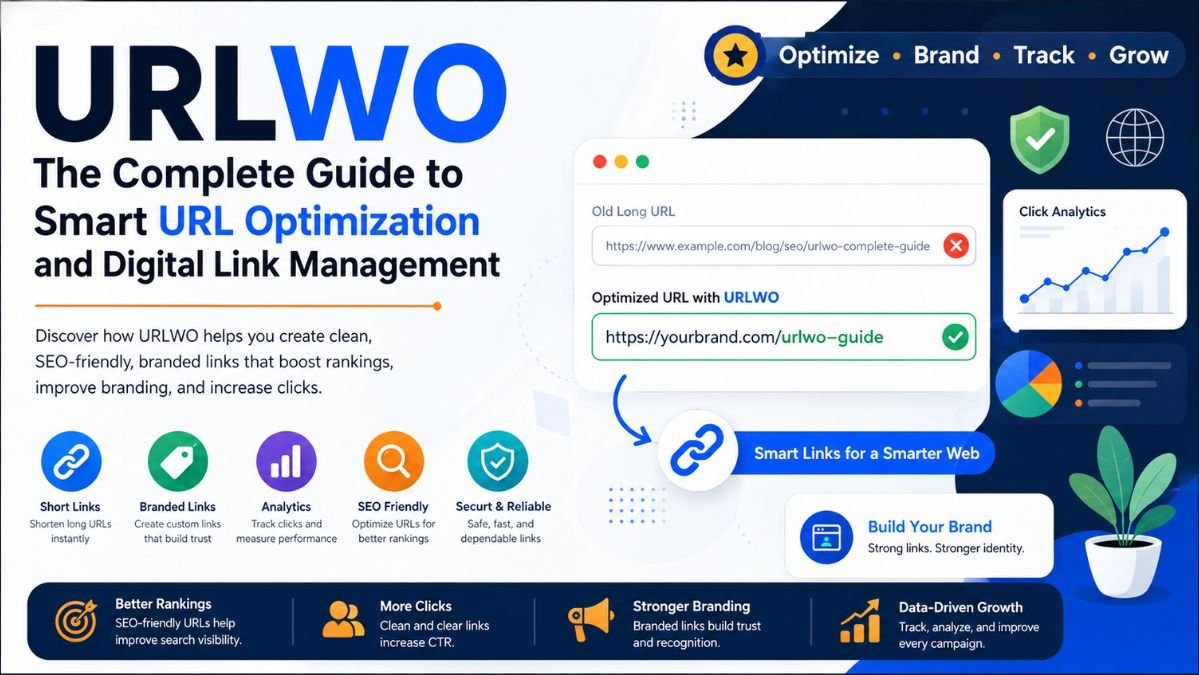
The internet continues to evolve rapidly, and with this evolution comes the increasing importance of digital organization, branding, and user experience. One of the growing concepts gaining attention in SEO and digital marketing discussions is URLWO. Although still considered an emerging keyword, URLWO has started appearing across blogs, SEO communities, and technology-related articles as a concept associated with smart URL management, SEO-friendly structures, and optimized web linking practices.
Today, businesses, bloggers, marketers, and website owners understand that URLs are more than just website addresses. A well-structured URL can improve search engine rankings, increase user trust, boost click-through rates, and create a stronger brand identity online. URLWO is often connected with these modern optimization strategies and is gradually becoming part of discussions around smarter digital marketing solutions.
Whether URLWO refers to a specific platform, a workflow optimization concept, or a broader approach to URL management, its principles align closely with modern SEO best practices. From clean links to branded URLs and analytics tracking, URLWO represents the growing importance of efficient and professional web link management.
Quick Bio Table About URLWO
| Information | Details |
|---|---|
| Keyword Name | URLWO |
| Industry | SEO & Digital Marketing |
| Main Purpose | URL Optimization & Smart Link Management |
| Related Topics | SEO, Branding, Analytics |
| Common Features | Short URLs, Tracking, Branded Links |
| Target Audience | Bloggers, Businesses, Marketers |
| Popular Use | Improving URL Structure |
| Current Status | Emerging Online Trend |
What Is URLWO?
URLWO is generally described as a concept focused on improving how URLs are created, managed, optimized, and shared online. Different websites provide different interpretations of the term, but most connect it with URL optimization and smart digital link systems.
In simple words, URLWO focuses on making web addresses:
- Cleaner
- Shorter
- Easier to read
- SEO-friendly
- Better for branding
Traditional URLs often contain unnecessary numbers, random symbols, and complicated structures that can confuse users and search engines alike. encourages a cleaner and more organized approach.
The second example is more readable, more professional, and easier to remember.
Why URLWO Matters in Modern SEO
Search engine optimization has become highly competitive. Website owners constantly search for methods to improve rankings and increase visibility. URLWO-related concepts matter because URL structure plays an important role in technical SEO.
Although URLs alone cannot guarantee top rankings, optimized links help improve the overall quality and organization of a website.
Better Search Engine Understanding
Search engines analyze URLs to understand page content. A clear URL provides additional relevance signals.
This URL immediately tells users and search engines what the page discusses.
Improved User Trust
People are more likely to click readable and professional-looking links than confusing URLs filled with random characters.
Enhanced User Experience
Clean URLs make navigation easier and improve overall browsing experience.
Higher Click-Through Rates
Short and understandable URLs can encourage more clicks from search engine results pages and social media posts.
Key Features Commonly Associated With URLWO
Many blog articles discussing URLWO highlight several important features connected to smart URL systems.
1. URL Shortening
One of the most common features linked to URLWO is link shortening. Long URLs are often difficult to share and may look unprofessional.
Short links improve readability and sharing efficiency.
2. Branded Links
Brand recognition is essential in online business. concepts often support branded URLs that include business or website names.
These links appear more trustworthy than generic shortened URLs.
3. URL Analytics
Digital marketers rely heavily on data and performance tracking. URLWO-related systems may provide:
- Click tracking
- Visitor insights
- Geographic analysis
- Device information
- Campaign monitoring
This helps businesses understand audience behavior more effectively.
4. SEO-Friendly URL Structures
Search engines prefer structured and readable URLs. URLWO promotes several SEO best practices, including:
- Using keywords naturally
- Keeping URLs short
- Avoiding unnecessary symbols
- Using hyphens instead of underscores
- Maintaining logical folder structures
These practices improve both readability and SEO performance.
URLWO and Digital Branding
Modern branding is no longer limited to logos and websites. URLs themselves have become part of brand identity.
Businesses now use custom URLs for:
- Marketing campaigns
- Product launches
- Social media sharing
- Email marketing
- Affiliate campaigns
A clean branded URL increases trust and professionalism.
Users generally prefer clicking branded links because they appear safer and more reliable.
Benefits of URLWO for Bloggers
Bloggers can gain significant advantages from implementing URLO-related strategies.
Easier Content Organization
Organized URLs help structure blog categories properly.
This creates a cleaner website hierarchy.
Better SEO Performance
SEO-friendly URLs can help blog posts rank more effectively in search engines.
Improved Social Sharing
Readable links perform better on social platforms because users understand where the link leads.
Professional Appearance
A well-structured URL makes a blog look more trustworthy and established.
Benefits of URLWO for Businesses
Businesses also benefit greatly from URL optimization systems.
Better Marketing Campaigns
Custom URLs can improve tracking and campaign management.
This type of URL is easy to remember and promotes branding.
Increased Customer Trust
Professional links help reduce concerns about spam or suspicious websites.
Better Data Tracking
Analytics features help businesses monitor:
- Customer engagement
- Ad performance
- User behavior
- Traffic sources
Easier Website Navigation
Logical URL structures improve customer experience and help visitors find content more efficiently.
URLWO Best Practices
Most articles discussing URLWO recommend following standard URL optimization techniques.
Keep URLs Short
Short URLs are easier to read, remember, and share.
Use Keywords Naturally
Relevant keywords improve clarity and SEO value.
Avoid Special Characters
Unnecessary symbols make URLs harder to understand.
Use Hyphens Instead of Underscores
Hyphens improve readability for both users and search engines.
Maintain Consistent Structure
Organized website structures improve navigation and indexing
Challenges and Limitations of URLWO
Despite its growing popularity, still has several limitations.
No Universal Definition
Different blogs explain URLWO differently, which creates confusion.
Emerging Keyword Status
URLWO is still relatively new and does not yet have widespread recognition like established SEO platforms.
Limited Official Documentation
Most available information currently comes from blogs and SEO websites rather than official sources.
Possible AI-Generated Popularity
Some experts believe the keyword’s rapid growth may partly result from AI-generated content trends targeting unique SEO terms.
Future Potential of URLWO
Even though URLWO is still emerging, its underlying principles are highly valuable for modern digital marketing.
Future developments may include:
- AI-powered URL optimization
- Smarter analytics dashboards
- Advanced branding systems
- Improved campaign tracking
- Better social media integration
As online competition continues growing, businesses and content creators will likely place even greater importance on optimized URLs and digital branding strategies.
Final Thoughts
URLWO represents a modern approach to URL optimization, smart link management, and digital branding. While the term itself is still developing online, the ideas connected to it already play a major role in SEO and digital marketing success.
Clean URLs, branded links, analytics tracking, and organized website structures are essential components of a strong online presence. Bloggers, businesses, and marketers who follow these best practices often create better user experiences and improve search engine visibility.