MataRecycler: The Future of Smart Recycling and Sustainable Waste Management

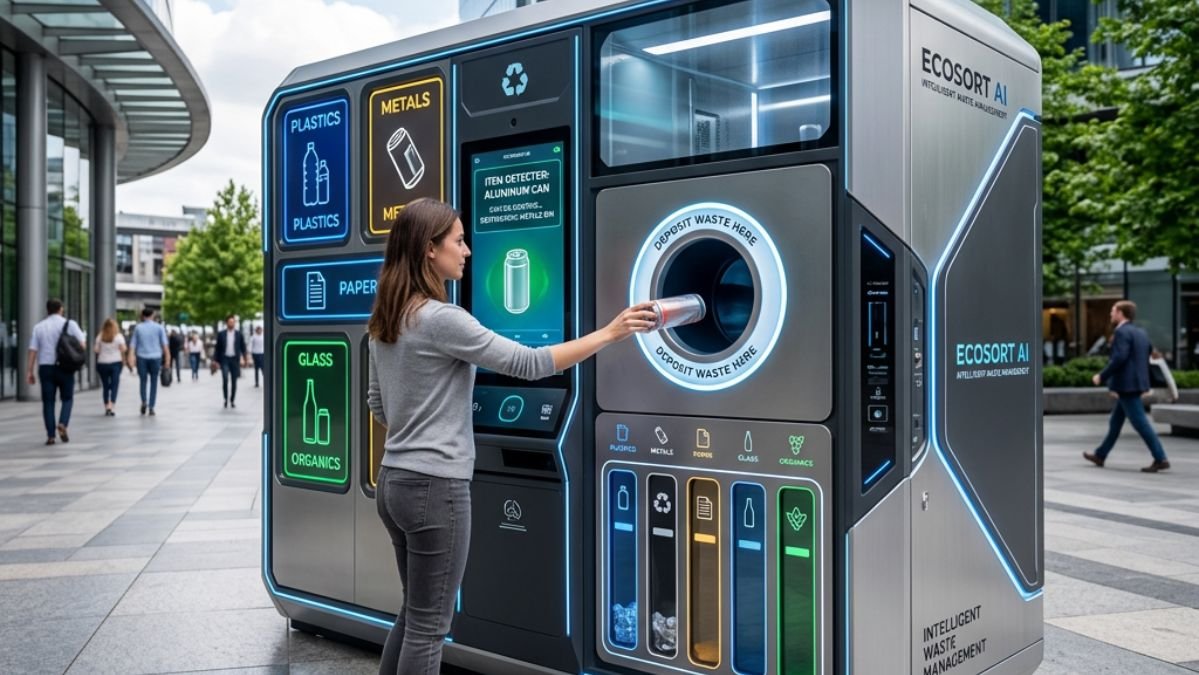
In today’s rapidly evolving world, sustainability has become one of the most important global priorities. Governments, businesses, and individuals are all searching for smarter ways to reduce waste, protect the environment, and improve resource efficiency. One emerging concept gaining attention in environmental and technology discussions is MataRecycler. Although still developing as a modern digital sustainability term, MataRecycler is increasingly associated with intelligent recycling systems, AI-driven waste management, and eco-friendly innovation.
As climate concerns continue to rise, traditional recycling methods often struggle to keep pace with growing waste production. This is where MataRecycler enters the conversation as a smarter, technology-focused solution designed to improve recycling efficiency while supporting the circular economy. Whether viewed as a platform, concept, or sustainability framework, MataRecycler reflects the growing demand for advanced recycling systems that combine environmental responsibility with modern technology.
Quick Bio Table About MataRecycler
| Feature | Details |
|---|---|
| Keyword | MataRecycler |
| Industry | Recycling & Sustainability |
| Main Focus | Smart Waste Management |
| Technology Used | AI & Automation |
| Purpose | Improve Recycling Efficiency |
| Related Concepts | Circular Economy, Green Technology |
| Popular Topics | Waste Reduction, Smart Recycling |
| Target Users | Businesses, Communities, Eco-Conscious Users |
| Benefits | Sustainability, Resource Optimization |
| Growing Interest | Environmental Innovation |
Understanding the Meaning of MataRecycler
The term MataRecycler is commonly linked to recycling innovation and sustainable technology solutions. Different online sources interpret it in various ways, but the core idea remains consistent: creating smarter recycling systems that reduce waste and maximize reusable resources.
Many blogs and sustainability platforms describe MataRecycler as a system that combines:
- Artificial intelligence
- Automation
- Recycling technology
- Environmental sustainability
- Smart waste sorting
- Resource optimization
The growing popularity of MataRecycler reflects how industries are shifting toward greener operational models. Instead of relying only on manual waste sorting and traditional recycling processes, businesses are now exploring advanced systems capable of automating recycling operations while improving efficiency.
Why Smart Recycling Is Becoming Essential
Global waste production continues to increase every year due to urbanization, industrial growth, and rising consumer demand. Traditional recycling systems often face several challenges:
- Incorrect waste sorting
- Low recycling participation
- High operational costs
- Limited material recovery
- Environmental pollution
MataRecycler represents a potential solution to these problems by introducing intelligent systems capable of identifying, sorting, and processing recyclable materials more effectively.
Smart recycling technologies can help communities and companies reduce landfill waste while improving sustainability goals. As governments worldwide strengthen environmental regulations, systems like MataRecycler may become increasingly valuable for future waste management strategies.
The Role of Artificial Intelligence in MataRecycler
One of the most important aspects associated with MataRecycler is artificial intelligence. AI technology allows recycling systems to identify materials with much greater accuracy than manual sorting methods.
AI-powered recycling systems can detect:
- Plastic types
- Glass materials
- Paper products
- Metal objects
- Electronic waste
Using cameras, machine learning, and sensor technology, these systems can separate recyclable materials quickly and efficiently. This reduces contamination in recycling streams and increases the percentage of reusable materials recovered from waste.
Machine learning algorithms can also improve over time by analyzing recycling patterns and adapting to new materials. This makes MataRecycler an evolving and scalable sustainability concept.
MataRecycler and the Circular Economy
Another major concept connected to MataRecycler is the circular economy. Traditional economic systems often follow a “take, use, dispose” model, which creates massive waste problems. The circular economy instead focuses on:
- Reusing materials
- Recycling products
- Extending product lifecycles
- Reducing waste generation
MataRecycler supports these principles by encouraging smarter material recovery and sustainable resource management.
In a circular economy, waste is not viewed as useless garbage. Instead, it becomes a valuable resource that can be recycled, reused, or repurposed. This approach helps reduce environmental damage while conserving natural resources.
Many businesses are now investing in circular economy strategies to improve sustainability and reduce operational costs. MataRecycler aligns closely with these modern environmental goals.
Key Features Commonly Associated With MataRecycler
1. Smart Waste Sorting
Automated sorting systems can separate recyclable materials with high precision. This improves recycling quality and reduces labor-intensive manual sorting.
2. Sustainability Monitoring
Many smart recycling systems include analytics dashboards that track:
- Recycling performance
- Waste reduction
- Carbon emissions
- Resource recovery rates
These insights help businesses measure environmental impact more effectively.
3. Resource Optimization
MataRecycler concepts focus heavily on reducing waste while maximizing reusable materials. This helps businesses improve operational efficiency and lower production costs.
4. Community Awareness
Environmental education is another important aspect of MataRecycler. Many related platforms promote:
- Recycling awareness
- Sustainable living habits
- Eco-friendly practices
- Waste reduction education
5. Automation and AI Integration
Automation reduces human error and speeds up recycling operations. AI systems continuously improve recycling accuracy and performance over time.
Industries That Can Benefit From MataRecycler
The ideas behind MataRecycler can potentially benefit many industries.
Waste Management Industry
Smart recycling systems can improve collection, sorting, and processing efficiency while reducing landfill dependency.
Manufacturing Sector
Manufacturers can reuse recycled materials in production processes, lowering raw material costs and improving sustainability.
Smart Cities
Urban areas can use intelligent recycling infrastructure to support cleaner and more environmentally friendly communities.
Retail and Packaging
Retail companies can adopt sustainable packaging and recycling systems to reduce environmental impact.
Technology Sector
Tech companies may integrate AI-powered sustainability tools into recycling operations and environmental analytics systems.
Environmental Benefits of MataRecycler
Environmental sustainability is the central theme behind MataRecycler. Smart recycling technologies offer several important environmental advantages.
Reduced Landfill Waste
Efficient recycling systems reduce the amount of garbage sent to landfills, helping minimize soil and water pollution.
Lower Carbon Emissions
Recycling reusable materials requires less energy than producing new raw materials, reducing greenhouse gas emissions.
Conservation of Natural Resources
By recovering reusable materials, industries can reduce the need for excessive mining, deforestation, and raw material extraction.
Cleaner Communities
Improved waste management systems help create healthier urban environments and cleaner public spaces.
Business Advantages of Smart Recycling Systems
Businesses are increasingly recognizing the financial benefits of sustainable operations.
Cost Savings
Recycling and resource optimization can reduce material costs and waste disposal expenses.
Improved Brand Reputation
Consumers are becoming more environmentally conscious. Companies that adopt sustainable practices often gain stronger public trust.
Regulatory Compliance
Governments worldwide are implementing stricter environmental regulations. Smart recycling systems can help businesses meet sustainability standards.
Long-Term Sustainability
Companies investing in eco-friendly technologies position themselves better for future environmental and economic challenges.
Challenges Facing Smart Recycling Systems
Although MataRecycler presents many opportunities, several challenges still exist.
High Initial Investment
Advanced recycling infrastructure and AI systems may require significant upfront costs.
Technical Complexity
Implementing AI-driven recycling technology requires technical expertise and ongoing maintenance.
Public Participation
Successful recycling systems depend heavily on public awareness and responsible waste disposal habits.
Infrastructure Limitations
Some regions still lack the necessary recycling infrastructure to fully support advanced sustainability systems.
Despite these challenges, growing environmental awareness continues driving investment and innovation in recycling technologies.
The Future of MataRecycler
The future of MataRecycler appears closely connected to the evolution of smart cities, artificial intelligence, and global sustainability initiatives. As technology advances, recycling systems will likely become:
- More automated
- More accurate
- More cost-efficient
- More environmentally effective
Governments, environmental organizations, and private companies are all exploring new ways to improve recycling infrastructure and reduce global waste production.
Future developments may include:
- AI-powered robotic recycling systems
- Smart waste collection networks
- Blockchain recycling tracking
- IoT-enabled recycling bins
- Real-time sustainability analytics
These innovations could significantly transform how society manages waste and resources in the coming decades.
Final Thoughts
MataRecycler represents a modern sustainability concept focused on intelligent recycling, waste reduction, and environmental innovation. Whether viewed as a platform, technological framework, or green business model, it reflects the increasing global demand for smarter and more efficient recycling systems.
As environmental concerns continue to grow worldwide, concepts like MataRecycler may play an important role in shaping the future of sustainable living and resource management. By combining artificial intelligence, automation, and circular economy principles, MataRecycler highlights how technology can help create cleaner communities and more responsible industries.
For readers interested in sustainability, smart technology, and eco-friendly innovation, MataRecycler offers an exciting glimpse into the future of intelligent waste management. Platforms like spheremagazines continue exploring emerging digital and environmental trends that influence the future of global sustainability.