Kovových: Understanding Metallic Materials and Their Importance in Modern Industry

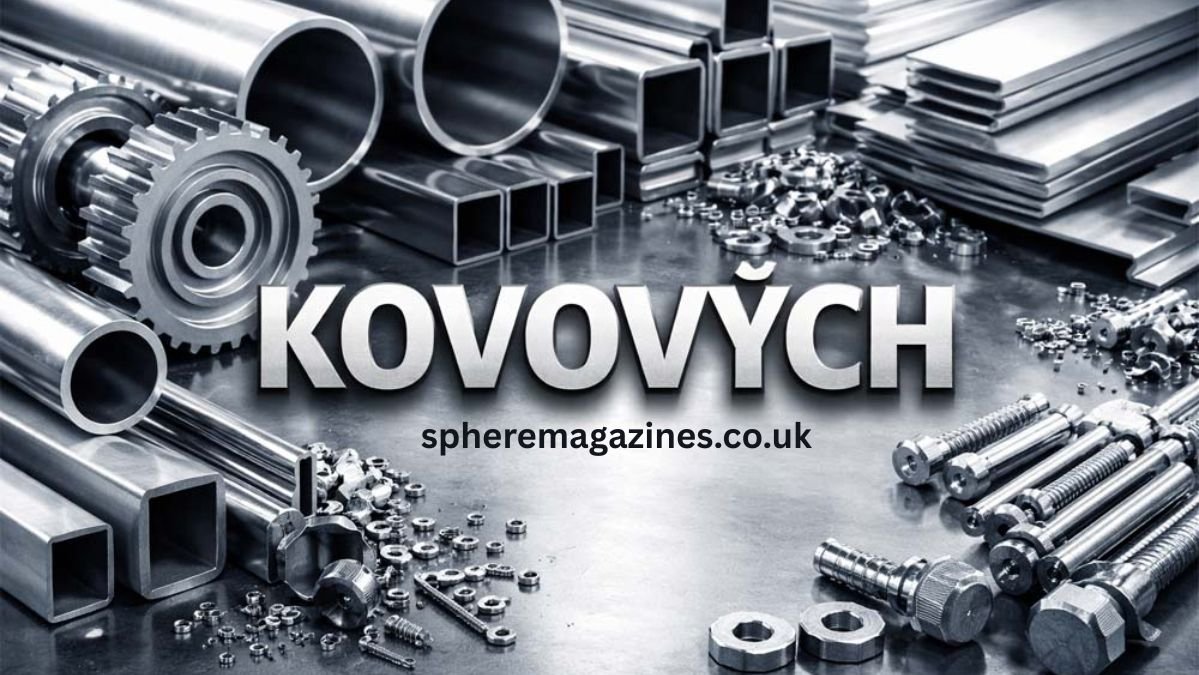
In the world of engineering, manufacturing, and construction, the term kovových plays a significant role. Derived from the Czech language, the word refers to metallic or metal-based materials and is commonly used in discussions related to metal products, industrial applications, and modern manufacturing processes. As industries continue to evolve with advanced technologies, kovových materials remain essential for building infrastructure, creating machinery, and supporting innovation across multiple sectors.
From steel structures and automotive components to aerospace engineering and smart manufacturing, metallic materials have become the backbone of modern civilization. Their strength, durability, and versatility make them indispensable in countless applications. This article explores the meaning of kovových, its properties, industrial uses, benefits, challenges, and future trends.
Quick Bio Table
| Attribute | Details |
|---|---|
| Keyword | Kovových |
| Origin | Czech Language |
| Meaning | Metallic / Of Metals |
| Industry Focus | Manufacturing, Engineering, Construction |
| Common Materials | Steel, Aluminum, Copper, Titanium |
| Primary Uses | Buildings, Machinery, Automotive, Aerospace |
| Key Advantages | Strength, Durability, Recyclability |
| Future Relevance | Smart Manufacturing and Sustainable Production |
What Does Kovových Mean?
The word kovových originates from the Czech term “kov,” which means metal. In technical and industrial contexts, kovových generally refers to metallic materials, metal components, or products made from metal. The term is frequently found in engineering documents, manufacturing guides, construction projects, and material science discussions.
Metallic materials have been used for thousands of years, but their importance has grown dramatically during the industrial and technological eras. Today, kovových materials form the foundation of transportation systems, buildings, industrial equipment, and advanced technologies.
Types of Kovových Materials
Metallic materials can be categorized into several major groups depending on their composition and applications.
Ferrous Metals
Ferrous metals contain iron and are among the most commonly used materials worldwide. Examples include steel and cast iron. These materials are valued for their strength and durability, making them ideal for construction and manufacturing.
Non-Ferrous Metals
Non-ferrous metals do not contain significant amounts of iron. Examples include aluminum, copper, zinc, and nickel. They are often preferred for their corrosion resistance and lightweight properties.
Precious Metals
Gold, silver, and platinum belong to this category. These metals are widely used in jewelry, electronics, and specialized industrial applications due to their unique properties.
Light Metals
Titanium and magnesium are examples of lightweight metals commonly used in aerospace and automotive industries. Their high strength-to-weight ratio makes them extremely valuable in modern engineering.
Metal Alloys
Alloys are created by combining two or more metals to improve performance. Stainless steel, brass, and bronze are popular examples that offer enhanced durability, corrosion resistance, and versatility.
Key Properties of Kovových Materials
The widespread use of metallic materials is largely due to their exceptional physical and chemical characteristics.
Strength
Metals can withstand heavy loads and extreme conditions. This makes them suitable for bridges, skyscrapers, machinery, and transportation systems.
Durability
Many metallic materials have long service lives, reducing replacement and maintenance costs over time.
Conductivity
Metals are excellent conductors of heat and electricity. Copper, for example, is widely used in electrical wiring and electronics.
Malleability and Ductility
These properties allow metals to be shaped into various forms without breaking, enabling manufacturers to create complex products and structures.
Recyclability
One of the most significant advantages of kovových materials is their recyclability. Metals can often be reused multiple times without losing their essential properties.
Industrial Applications of Kovových
Construction Industry
The construction sector heavily relies on metallic materials. Steel beams, reinforcement bars, roofing systems, and structural frameworks are all examples of kovových applications.
Modern cities would not exist without metal-based construction materials. Their strength and reliability help create safe and durable buildings.
Manufacturing Industry
Factories and industrial facilities use metallic materials in machinery, tools, production lines, and equipment. The durability of metals helps ensure long-term operational efficiency.
Automotive Sector
Cars, trucks, motorcycles, and public transportation systems all depend on kovových components. Vehicle frames, engines, wheels, and safety systems are commonly made from metal.
Aerospace Industry
Aircraft and spacecraft require lightweight yet strong materials. Titanium and aluminum alloys are widely used because they provide excellent performance while reducing overall weight.
Electronics Industry
Electronic devices contain numerous metallic components. Copper wiring, connectors, circuit boards, and conductive materials are essential for modern technology.
Energy Sector
Power plants, renewable energy systems, and electrical grids rely heavily on metallic infrastructure. Wind turbines, solar installations, and transmission networks all use kovových materials.
Benefits of Kovových Materials
Long-Term Reliability
Metallic materials offer exceptional reliability in demanding environments. Their ability to resist wear and stress makes them a preferred choice for industrial applications.
Versatility
Metals can be molded, cast, welded, and machined into countless forms. This versatility enables innovation across multiple industries.
Economic Value
Although some metals can be expensive, their durability often results in lower long-term costs due to reduced maintenance and replacement needs.
Sustainability
Recycling metal significantly reduces energy consumption and environmental impact compared to producing new materials from raw resources.
Challenges Associated with Kovových Materials
While metallic materials offer numerous advantages, they also present certain challenges.
Corrosion
Some metals are susceptible to rust and corrosion when exposed to moisture and harsh environments. Protective coatings and specialized alloys help address this issue.
Production Costs
Advanced metals and specialty alloys can be expensive to manufacture and process.
Weight
Although lightweight alternatives exist, many traditional metals are relatively heavy, which can affect transportation and energy efficiency.
Environmental Concerns
Mining and metal production require substantial energy and resources. Sustainable manufacturing practices are becoming increasingly important.
Modern Innovations in Kovových Technology
Technology continues to transform the way metallic materials are produced and utilized.
3D Metal Printing
Additive manufacturing allows engineers to create highly complex metal components with minimal waste. This innovation is revolutionizing aerospace, healthcare, and industrial production.
Smart Manufacturing
Industry 4.0 technologies use artificial intelligence, automation, and data analytics to improve metal production processes and increase efficiency.
Advanced Alloys
Researchers are developing stronger, lighter, and more corrosion-resistant alloys to meet the demands of modern industries.
Nanotechnology
Nano-coatings and advanced surface treatments help improve metal durability, performance, and resistance to environmental damage.
The Future of Kovových Materials
The future of kovových materials looks promising as industries continue to prioritize sustainability, efficiency, and innovation. New manufacturing techniques, recyclable materials, and smart technologies are expected to reshape the metal industry over the coming decades.
Lightweight alloys, environmentally friendly production methods, and AI-driven manufacturing systems will likely become standard practices. As demand for renewable energy, electric vehicles, and advanced infrastructure grows, metallic materials will remain a critical component of global development.
Conclusion
Kovových materials have played a fundamental role in shaping modern society. From towering skyscrapers and advanced vehicles to industrial machinery and cutting-edge technologies, metals continue to drive progress across countless industries. Their strength, durability, conductivity, and recyclability make them one of the most valuable resources available today.